HOMEOWNER GUIDE
Why Is My Water Bill
Getting Higher?
An unexpected jump in your utility bill usually comes down to hidden leaks rather than rate hikes. Follow our fast self-check steps to pinpoint water waste, protect your home, and lower your next bill.
- Running or phantom-flushing toilet valves
- Overactive irrigation lines or sprinkler heads
- Slow dripping faucets and shower fixtures
- Hidden underground or foundation slab leaks
DIAGNOSTIC CHECKLIST
High Water Bill?
Check These 6 Culprits
Before assuming rates increased, work through these practical, step-by-step diagnostic checks to pinpoint hidden household leaks and avoid costly utility surprises.
01. Meter Test
Shut off all indoor taps and irrigation. Check your main water meter sweep hand or flow indicator: if the dial spins while water is completely off, you have an active leak.
02. Toilet Check
Add a few drops of food coloring into the toilet tank without flushing. Wait 15 minutes: if tint appears in the bowl, worn flapper seals are quietly wasting hundreds of gallons daily.
03. Fixture Drips
Inspect kitchen and bathroom aerators, showerheads, and shutoff valves under sink cabinets. Even a persistent 10-drips-per-minute leak can waste over 3,000 gallons each year.
04. Irrigation Leaks
Walk sprinkler zones while running to spot broken spray heads, misaligned nozzles, or standing water. Unusually spongy or overly lush lawn patches indicate cracked underground lateral lines.
05. Appliance Leaks
Check water softeners stuck in continuous regeneration cycles, evaporative cooler overflows, whole-house humidifiers, and washing machine supply hoses for silent continuous flow.
06. Hidden/Slab Leaks
Warm floor spots, sounds of rushing water behind drywalls, or sudden foundation cracks signal an under-slab pipe rupture. Call a licensed plumber immediately for acoustic leak detection.
Certified field technicians available for residential leak audits.
PRACTICAL CONSERVATION GUIDE
Water Conservation:
Easy Ways to Save
Small household adjustments make an immediate impact on your monthly utility bill and regional reserves.
Fix Leaks Quickly
A silent toilet flapper or dripping faucet can waste up to 3,000 gallons each year.
Low-Flow Fixtures
Install WaterSense showerheads and aerators to cut flow rates by 30% without sacrificing pressure.
Shorter Showers
Trimming just 2 minutes off your daily shower saves up to 10 gallons every single day.
Full Loads Only
Wait to run dishwashers and washing machines until full to prevent gallons of wasted cycle water.
Turn Off Tap
Shut off the faucet while brushing teeth or shaving to preserve up to 8 gallons of clean water per person daily.
Smart Irrigation
Water early in the morning to minimize evaporation and use smart weather controllers to pause when it rains.
Drought Landscaping
Switch to native plants and add a 3-inch layer of organic mulch to retain natural soil moisture longer.
Check for Rebates
Qualify for utility rebates on high-efficiency toilets, smart timers, and turf replacement programs.
Need guidance identifying unaccounted water loss across your property?
FREQUENTLY ASKED QUESTIONS
High Water Bill?
Get Answers.
Uncover hidden consumption, pinpoint silent leaks, and regain total control over your monthly utility costs with these expert solutions.
Why is my water bill higher with no change in routine?
Sudden increases usually stem from continuous silent leaks (like a faulty toilet flapper), seasonal rate tier shifts, or malfunctioning automated appliances like irrigation timers and water softeners.
How do I perform a DIY meter leak test?
Turn off all taps, showers, and water-using appliances inside and outside. Inspect your water meter's low-flow dial or red triangle. If it moves at all over a 20-minute window, water is leaking past the meter.
How can I tell if my toilet is leaking silently?
Place 4 to 5 drops of food coloring into the upper toilet tank and wait 15 minutes without flushing. If colored water seeps into the bowl, your flapper valve is worn and leaking hundreds of gallons daily.
Can an automated irrigation system cause massive spikes?
Yes. A single cracked sprinkler head, stuck solenoid valve, or altered controller schedule can waste 10,000+ gallons per billing cycle without producing noticeable surface puddles.
What are the early warning signs of a hidden slab leak?
Watch for warm spots on concrete flooring, faint hissing sounds through walls when water is off, localized damp drywall, unexplained foundation cracks, or persistent musty odors.
Does a slow dripping faucet really impact my monthly bill?
A faucet dripping at just 10 drops per minute wastes nearly 350 gallons a year. A steady trickle can easily squander 2,000+ gallons monthly, pushing your utility tier into higher per-unit rates.
What are the quickest ways to immediately cut household water usage?
Install 1.5 GPM low-flow faucet aerators, reduce irrigation runtimes by 20%, replace old 3.5 GPF toilet mechanisms with dual-flush valves, and run washing machines exclusively with full loads.
Should I call my water utility provider or a licensed plumber?
Contact your utility first to verify meter accuracy and check for service line issues up to the meter. If the leak is between the meter and your home or inside the structure, hire a licensed plumber.
How long does a leak take to show up on my billing statement?
Because municipal billing operates on 30-to-60 day cycles, a leak occurring in early spring may not register on your bill until mid-summer. Monitoring your meter weekly prevents costly billing delays.
How can I permanently prevent unexpected water bill surprises?
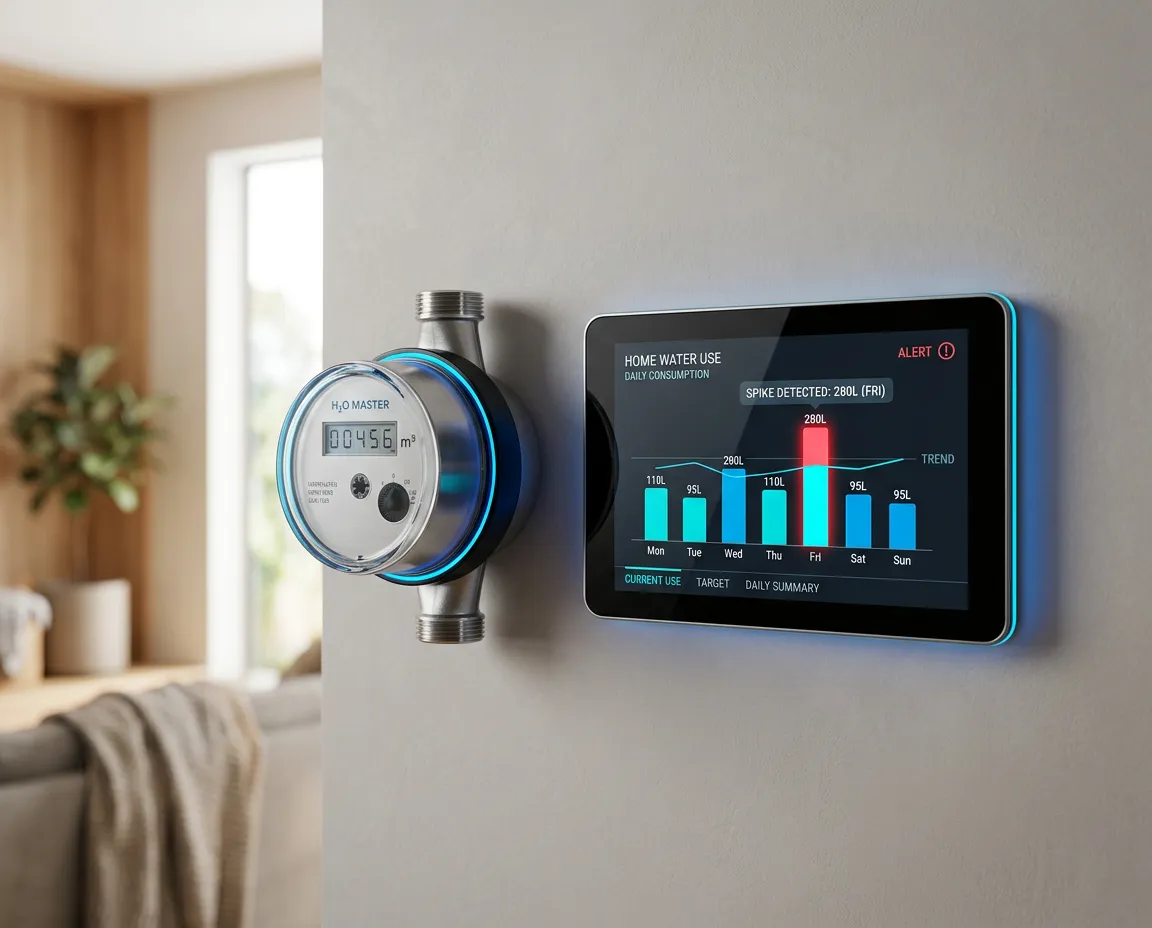
Install smart ultrasonic water flow monitors with automatic shut-off valves, conduct bi-annual plumbing inspections, and review monthly utility gallon metrics rather than total dollar amounts.

Board & Governance
Public Hearing Schedule:
Third Monday of each month at 7:00 PM CST. All sessions are open to registered district ratepayers.
Agendas posted 72 hours prior to convening in accordance with State Open Meetings Act provisions.
Headquarters
212 FM 739, Corsicana TX 75109
Angus Water Supply Operations Center
Hours: Tue - Fri, 9:00 AM - 5:00 PM
Office is closed on Mondays by appoint only.
24/7 Emergency Line: (903) 874-6773
Official Inquiries: [email protected]


© 2026 Angus Water Supply Corporation All rights reserved. Equal Opportunity Water Provider.